The Best Fluffy Pancakes recipe you will fall in love with. Full of tips and tricks to help you make the best pancakes.

Introduction
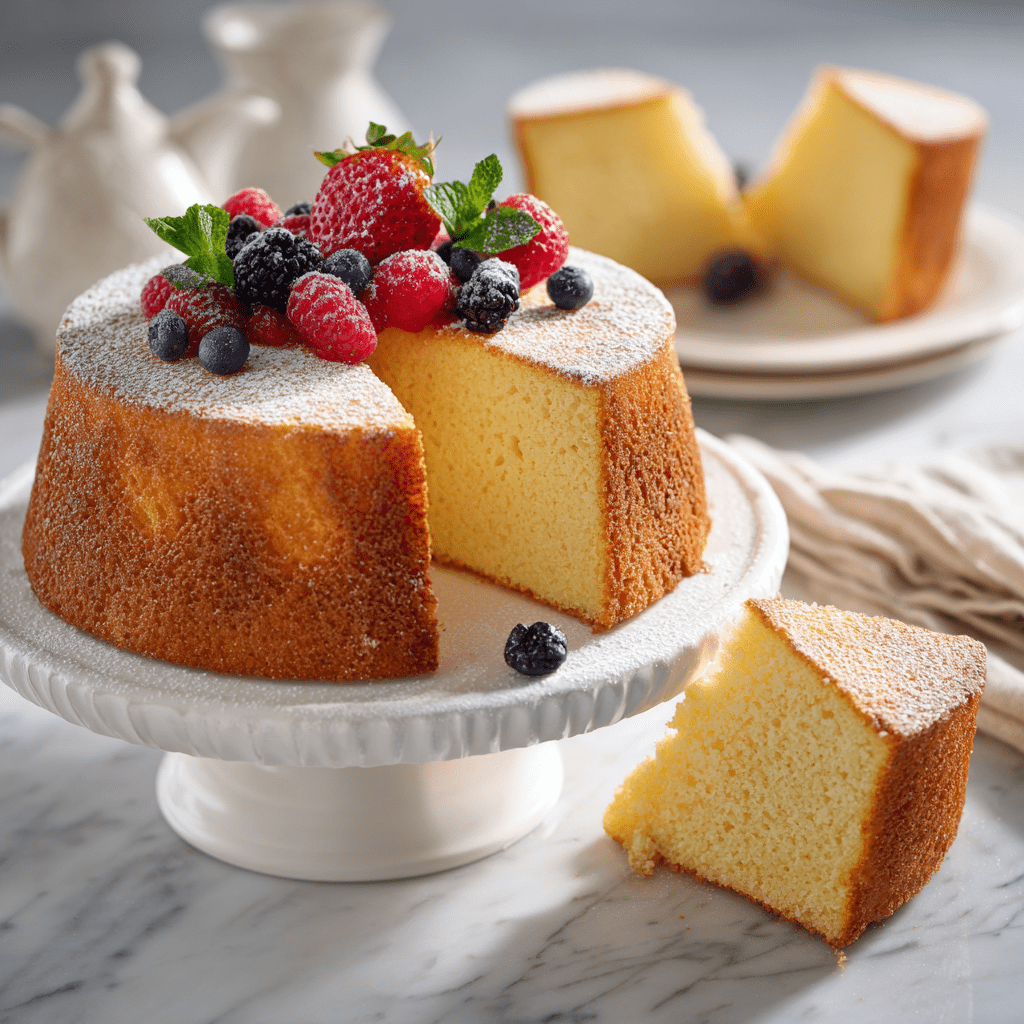
Some desserts don’t need flashy decorations or complicated techniques to leave a lasting impression. A truly good butter cake proves that simple ingredients, when treated carefully, can create something unforgettable. This Classic French Butter Cake is one of those timeless desserts — soft, rich, deeply buttery, and filled with delicate vanilla flavor that melts into every bite.
Unlike overly sweet modern cakes loaded with frosting, this traditional-style French butter cake celebrates texture and balance. The crumb is tender and velvety, the edges bake into a lightly golden crust, and the aroma filling the kitchen while it bakes is pure comfort. It’s elegant enough for afternoon tea yet humble enough for everyday baking.
French-inspired butter cakes are beloved because they focus heavily on quality ingredients. Real butter, fresh eggs, vanilla, and careful mixing create a cake with luxurious flavor despite its simple appearance. The result feels refined without being difficult.
This recipe is especially perfect for people who love classic bakery-style desserts that pair beautifully with coffee, tea, fruit, or whipped cream. It’s the type of cake that tastes even better the next day, making it ideal for gatherings, celebrations, or cozy weekends at home.
If you’ve ever wanted a reliable homemade cake recipe that feels timeless, elegant, and deeply comforting, this Classic French Butter Cake deserves a permanent place in your recipe collection.
Why You’ll Love This Recipe
- Rich buttery flavor in every bite
- Soft, moist, tender cake crumb
- Simple pantry-friendly ingredients
- Elegant yet easy enough for beginners
- Perfect with coffee or tea
- Great for birthdays, brunches, or afternoon desserts
- Beautiful plain or dressed with fruit and cream
- Traditional bakery-style texture
- Easy to customize with flavors and toppings
- Stays moist for days
Ingredients
For the Butter Cake
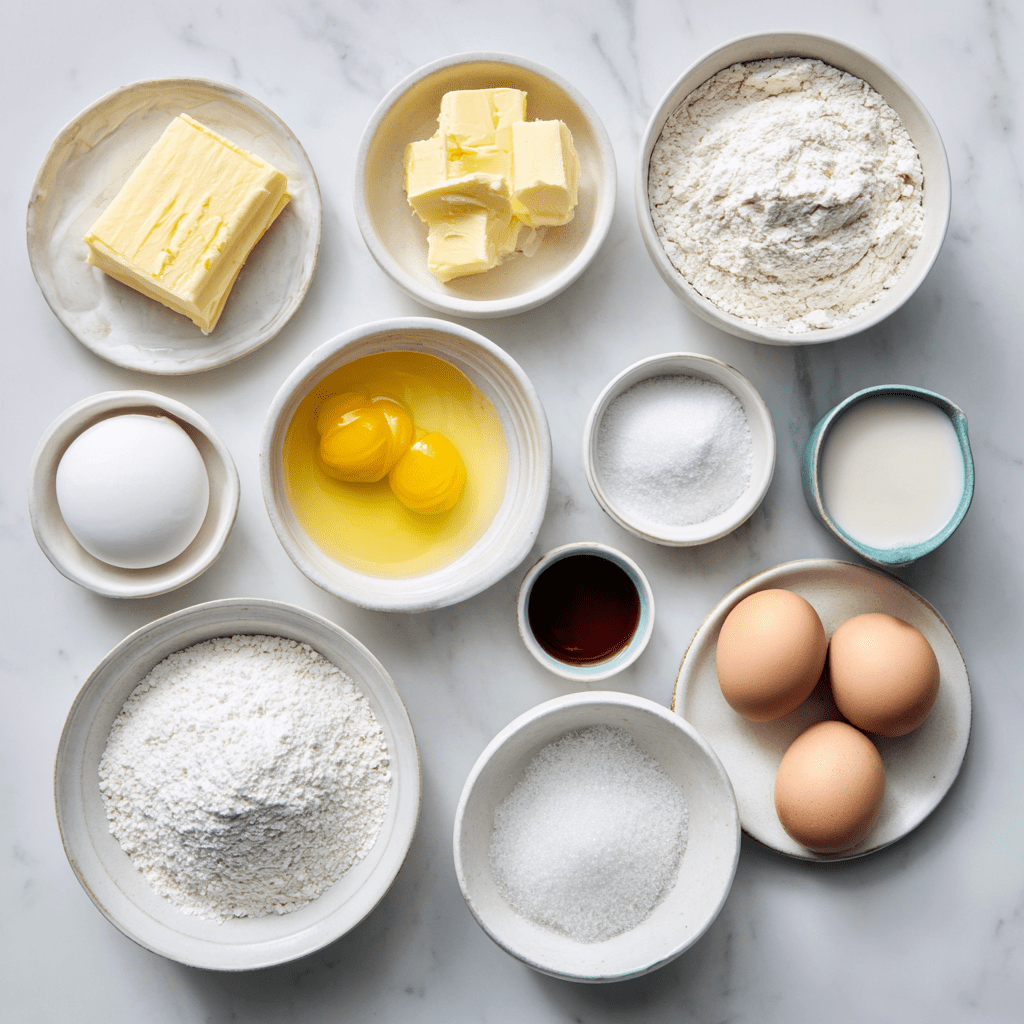
- 1 cup unsalted butter, softened
- 1½ cups granulated sugar
- 4 large eggs
- 2 teaspoons vanilla extract
- 2½ cups all-purpose flour
- 2 teaspoons baking powder
- ½ teaspoon salt
- 1 cup whole milk
Optional Toppings
- Powdered sugar
- Fresh berries
- Whipped cream
- Sliced almonds
- Vanilla glaze
1. Prepare the Oven and Pan
Preheat your oven to 350°F (175°C).
Grease and lightly flour a 9-inch round cake pan or loaf pan. You can also line the bottom with parchment paper for easy removal.
2. Cream the Butter and Sugar
In a large mixing bowl, beat the softened butter and sugar together until pale, fluffy, and creamy.
This process is extremely important because it incorporates air into the batter, helping create the cake’s tender texture.
Cream for at least 3–5 minutes using a hand mixer or stand mixer.
3. Add the Eggs
Add the eggs one at a time, mixing well after each addition.
The batter may look slightly curdled at first, but it will smooth out once the dry ingredients are added.
Stir in the vanilla extract.
4. Mix the Dry Ingredients
In a separate bowl, whisk together the flour, baking powder, and salt.
Gradually add the dry ingredients into the butter mixture, alternating with the milk.
Start and end with the dry ingredients.
Mix gently until just combined. Avoid overmixing because it can make the cake dense.
5. Bake the Cake
Pour the batter into the prepared pan and smooth the top.
Bake for 40–50 minutes or until a toothpick inserted into the center comes out clean.
The top should become lightly golden with a soft buttery aroma.
6. Cool and Serve
Allow the cake to cool in the pan for about 15 minutes before transferring to a wire rack.
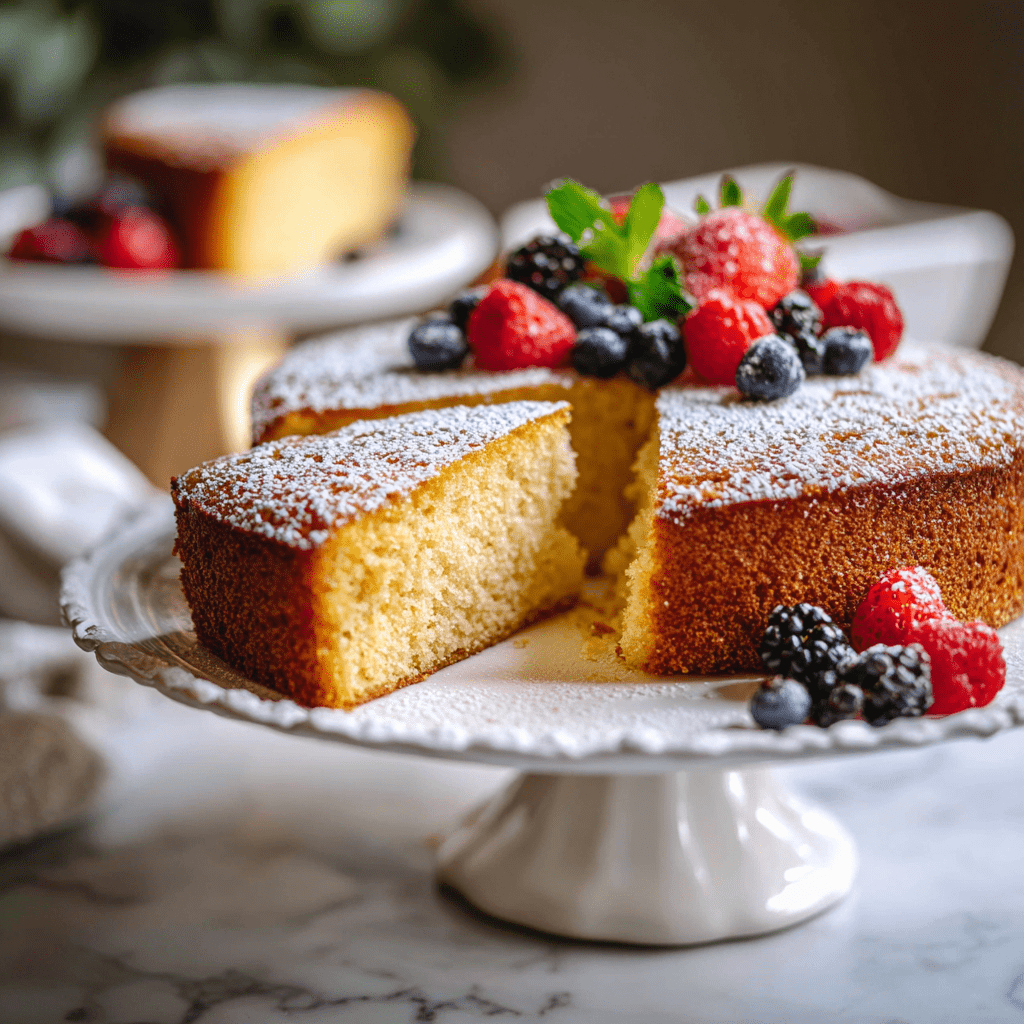
Dust with powdered sugar or decorate as desired before serving.
Pro Tips
Use Room Temperature Ingredients
Butter, eggs, and milk blend more smoothly when they’re at room temperature, creating a better cake texture.
Don’t Rush the Creaming Process
Properly creaming butter and sugar is what gives butter cake its delicate crumb.
Measure Flour Correctly
Too much flour creates dryness. Spoon flour into measuring cups instead of scooping directly.
Use High-Quality Butter
Since butter is the star ingredient, good-quality butter dramatically improves flavor.
Let the Cake Cool Fully
The flavor and texture become even better once the cake fully settles after baking.
Variations
1. Lemon French Butter Cake
Add fresh lemon zest and a light lemon glaze for a bright citrus twist.
2. Almond Butter Cake
Replace vanilla extract with almond extract and top with sliced almonds.
3. Berry Butter Cake
Fold fresh raspberries or blueberries into the batter before baking.
4. Chocolate Marble Version
Swirl melted chocolate or cocoa batter through the cake for a marble effect.
5. Brown Butter Cake
Brown the butter first for deeper caramelized flavor notes.
Serving Suggestions
With Coffee or Espresso
The buttery richness pairs beautifully with strong coffee or espresso.
With Fresh Fruit
Strawberries, raspberries, and peaches balance the cake’s richness perfectly.
Warm with Whipped Cream
Slightly warming a slice before serving makes the buttery texture even softer.
As a Celebration Cake
Decorate with glaze, berries, or edible flowers for elegant occasions.
Afternoon Tea Dessert
Serve thin slices alongside tea for a classic European-style dessert experience.
Storage & Reheating
Room Temperature
Store covered at room temperature for up to 3 days.
Refrigeration
Refrigerate for up to 1 week in an airtight container.
Freezing
Wrap slices individually and freeze for up to 2 months.
Reheating
Warm slices gently in the microwave for 10–15 seconds for fresh-baked softness.
Common Mistakes to Avoid
Using Cold Butter
Cold butter won’t cream properly, affecting texture and volume.
Overmixing the Batter
Too much mixing develops gluten, making the cake dense instead of tender.
Opening the Oven Too Early
Opening the oven before the cake sets may cause sinking.
Underbaking
Butter cakes need enough time to fully develop structure and moisture balance.
Skipping the Cooling Time
Cutting too early can make the cake crumble or feel gummy.
Cultural Context and Fun Facts
Butter cakes became especially popular in European baking traditions during the 18th and 19th centuries when butter became more accessible in home kitchens. French baking, in particular, emphasized rich dairy-based pastries and cakes known for delicate textures and refined flavors.
Unlike heavily frosted American layer cakes, traditional French-style cakes often focus more on the quality of the sponge itself rather than excessive toppings. The beauty lies in simplicity, balance, and technique.
Classic butter cakes also inspired many modern pound cakes and tea cakes around the world. The French approach helped shape the idea that simple desserts can still feel luxurious and elegant.
Today, butter cakes remain beloved because they’re timeless, adaptable, and universally comforting.
FAQs
Can I use salted butter?
Yes, but reduce the added salt slightly to avoid overpowering the sweetness.
Why is my butter cake dense?
Usually from overmixing or not creaming the butter and sugar long enough.
Can I make this cake ahead of time?
Absolutely. Butter cake often tastes even better the next day.
What frosting works best?
Vanilla buttercream, cream cheese frosting, or light whipped cream all pair beautifully.
Can I bake this in a loaf pan?
Yes. Just adjust the baking time slightly longer if needed.
Is this similar to pound cake?
It’s similar, but slightly lighter and softer in texture than traditional pound cake.
Final Thoughts
This Classic French Butter Cake proves that simple baking can still feel incredibly elegant and satisfying. The rich buttery flavor, soft golden crumb, and delicate vanilla aroma create a dessert that feels timeless and comforting in the best possible way.
It’s the kind of cake that fits almost any occasion — from quiet mornings with coffee to family celebrations and holiday dessert tables. Its beauty comes from simplicity, quality ingredients, and classic technique rather than elaborate decoration.
Once you bake this cake and experience that warm buttery aroma filling the kitchen, it’s easy to understand why traditional butter cakes have remained beloved for generations.
Classic French Butter Cake
A rich and tender buttery vanilla cake inspired by timeless French baking traditions.
Ingredients
Equipment
Method
- Cream butter and sugar until light and fluffy.
- Add eggs one at a time, then mix in vanilla.
- Alternate adding dry ingredients and milk into the batter.
- Pour batter into prepared cake pan and smooth the top.
- Bake until golden and a toothpick comes out clean.
- Cool completely before serving or decorating.
Notes
Use high-quality butter for the richest traditional flavor.